Exercises for hanging arms (with or without equipment)
Exercises for sagging arms: firm, tone and improve the skin of the arms (with or without equipment)
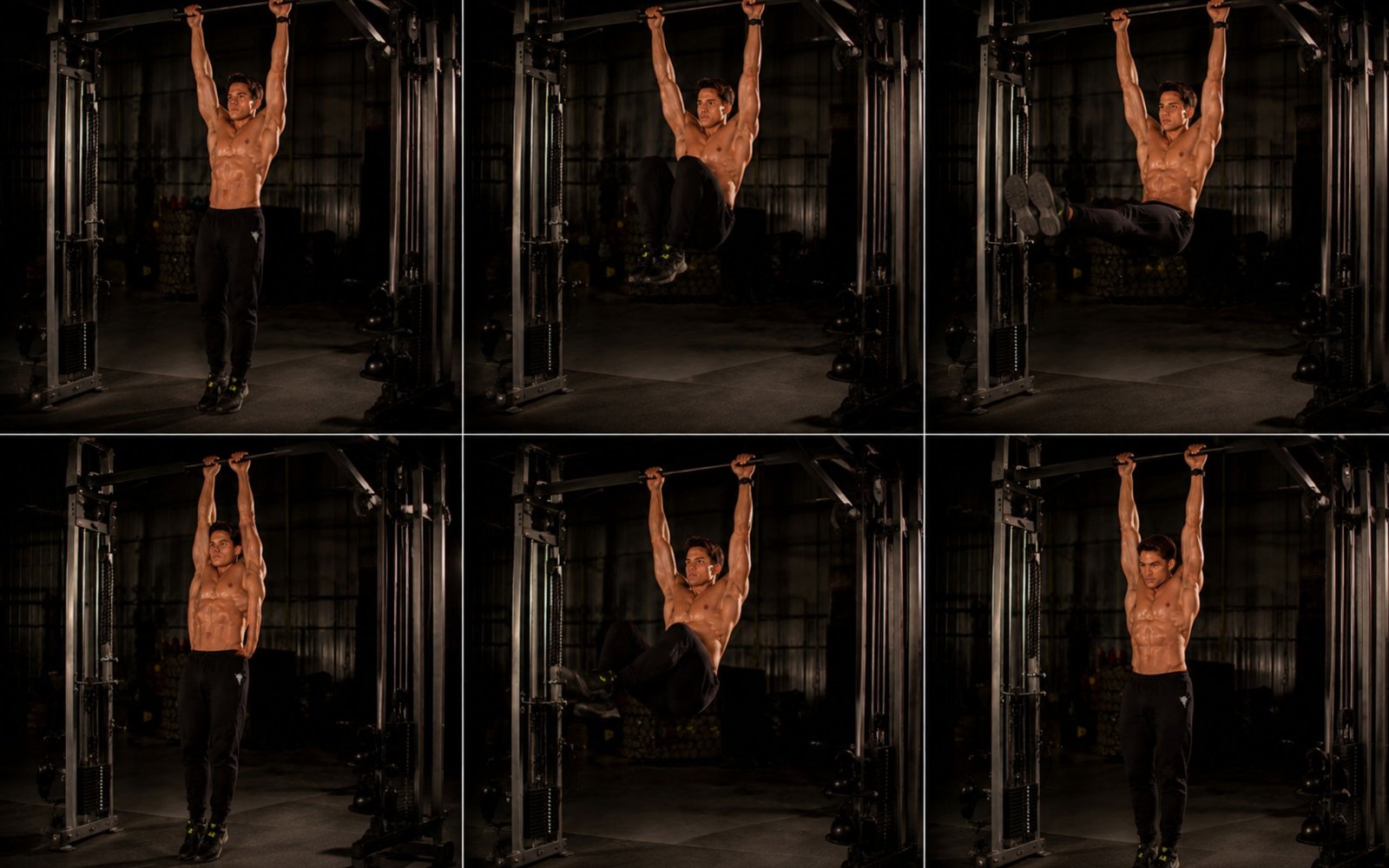
Dangling arms, sometimes called “bat arms”, mainly affect the back of the arm (triceps) and the area near the armpit. The good news is that with a simple, regular and progressive routine, you can strengthen the muscles, improve firmness and make the arm visually more toned.
Important: we do not “target” fat loss in a specific location, but we can tone locally, improve posture and support the skin with better muscle mass. If you have shoulder or elbow pain, or weakness (tendinitis, osteoarthritis), adapt the amplitudes and favor gentle versions.
exercises for hanging arms: the objective is to strengthen the triceps, the shoulder (deltoid) and the upper back, because a stronger back also “lifts” the figure. Consistency matters more than intensity.
Why do the arms “fall”? The most common causes
Dangling arms often appear with decreased muscle tone, weight variations, lack of use of the triceps, and sometimes a rounded posture (shoulders forward). The aging of the skin also plays a role: it becomes less elastic over time.
exercises for falling arms: this is not inevitable. A good program combines targeted strengthening, shoulder mobility and daily actions (posture, carrying, walking, adapted diet).
The key point: triceps + back + shoulders
Many people only do triceps exercises. However, if the upper back is weak, the shoulders roll up, and the back of the arm appears more “loose”. Strengthening the back helps open the chest and visually tighten the area.
exercises for sagging arm skin: the skin does not “muscle” itself, but it can be better supported by firmer muscles. It is often this support that changes the appearance the most.
How to train to see a difference (without getting injured)
The most effective strategy is to work 2 to 3 times a week, for 15 to 25 minutes, with gentle progression. The arms respond very well to regularity.
exercise to strengthen hanging arms: choose 4 to 6 movements, do 2 to 3 sets, then increase one parameter at a time (repetitions, tempo, load, or elastic tension).
Simple progress markers
- Beginner: 2 sessions/week, 2 sets per exercise, 8 to 12 repetitions.
- Intermediate: 3 sessions/week, 3 sets, 10 to 15 repetitions.
- Safety rule: joint pain = you reduce the amplitude or load.
Routine without equipment: 12 minutes at home
If you want exercises for hanging arms without equipment, this mini-routine is ideal. It is based on body weight and the quality of movement.
1) Chair dips (easy version)
Place your hands on the edge of a stable chair. Knees bent, feet on the floor. Go down slightly and come up again with control.
exercises for hanging arms: do 2 sets of 8 to 12 repetitions. Keep your shoulders low, don’t “dive” too low.
2) Push-ups against a wall
Hands close to each other, elbows close to the chest. This version protects the wrists and shoulders.
exercises for dangling arms: 2 sets of 10 to 15 repetitions. The closer you are to the wall, the easier it is.
3) Triceps “Press” behind the head without load (isometrics)
Raise your arms, bend your elbows as if you were lowering a load behind your head. Squeeze triceps for 10 seconds, release for 10 seconds.
- 3 repetitions of 10 seconds of contraction.
- Slow breathing, relaxed neck.
4) “Y-T-W” standing (upper back)
Arms in Y, then T, then W, squeezing the shoulder blades. This movement improves posture and opens the shoulders.
hanging arm exercises: 1 to 2 sets, 6 repetitions of each shape (Y, T, W), slowly.
Routine with dumbbells: tone and firm up faster
The exercises for hanging arms with dumbbells are very effective, because the load allows for clear progression. Even 1 to 3 kg can be enough at first.
1) Overhead triceps extension
Standing, holding a dumbbell in both hands, lower behind your head then come back up. Elbows “forward”, not apart.
exercises for hanging arms: 3 sets of 10 to 12 repetitions. Raise your chest, keep your stomach tight.
2) Triceps kickback (maximum control)
Tilt your chest slightly, elbow next to your body. Stretch your forearm back, then return without swinging.
exercises for falling arms: 2 to 3 sets of 12 to 15 repetitions. Control is more important than charge.
3) Bent-over rowing (back + posture)
With 2 light dumbbells, pull your elbows back while squeezing your shoulder blades. This movement improves upper body strength.
exercises for sagging arm skin: 3 sets of 10 to 12 repetitions. The back supports the silhouette, and the back of the arm appears more toned.
Routine with elastic: effective and gentle on the joints
The arm exercises that hang with elastic provide progressive tension, often more comfortable for the shoulders and elbows. It’s also very practical when traveling.
1) Triceps pushdown (elastic above)
Fix the elastic at height (secure door or reliable anchor point). Elbows glued to the body, push down.
exercises for hanging arms: 3 sets of 12 to 15 repetitions, slow tempo.
2) Back triceps extension (low anchor)
Anchor the elastic lower, extend your arm backwards. Keep the shoulder stable, focus on the back of the arm.
exercises for swinging arms: 2 sets of 12 to 15 repetitions per arm.
3) Pull-apart (upper back)
With your arms outstretched in front of you, spread the elastic while squeezing your shoulder blades. It’s simple and very useful for posture.
- 2 sets of 15 repetitions.
- Pause 1 second at the end of the split.
“Bat”: the special back arm plan
The term “bat arm” is very common. A program that works consists of doing a short, targeted block, 3 times a week, alternating tension and control.
bat exercises for hanging arms: combine triceps extension + kickback + dips, then finish with a posture exercise (rowing or pull-apart). It is this mix that gives the best overall result.
After 50: strengthen without getting injured
With age, recovery may be slower, and some shoulders are more sensitive. We therefore favor control, comfortable amplitudes and regularity.
exercises for arms that hang 50 and over: choose the elastic or light dumbbells, increase gradually, and keep 48 hours between two “arm” sessions if you are starting.
Recommended “mild” version
- Elastic pushdown: 2 sets of 12 to 15 repetitions.
- Light rowing: 2 sets of 10 to 12 repetitions.
- Wall push-ups: 2 sets of 10 repetitions.
- Pectoral stretch 30 seconds + slow breathing.
4-week program: simple, clear, progressive
This plan is designed to be easy to follow and to provide a real framework. It works great for people in a hurry.
Week 1
2 sessions. 4 exercises. 2 series. Stay on “easy to medium” difficulty.
Week 2
2 to 3 sessions. Add 2 repetitions per set or slow down the tempo (down in 3 seconds).
Week 3
3 sessions. Add a back exercise (row or pull-apart) if you haven’t already.
Week 4
3 sessions. Slightly increase the load or tension of the elastic, without changing the technique.
YouTube and videos: how to choose without wasting time
Videos are useful for checking posture, but they can also encourage you to overdo it. Keep a simple guideline: if you are short of breath but without joint pain, it's okay. If the shoulder “itches”, adapt.
exercises for hanging arms youtube: favor short routines, with beginner variations, and a clear explanation on shoulder placement. A good video should remind you not to compensate with your neck.
Frequently asked questions (simple answers)
How long does it take to see results?
Often 3 to 6 weeks to feel more firmness, and 8 to 12 weeks for a clear visual change. Regularity is the number 1 factor.
Should you do very long repetitions?
Not necessarily. A good balance is 8 to 15 repetitions, with a slow, controlled movement. It is this control that really “wakes up” the triceps.
What if I only want exercises without equipment?
The exercises for hanging arms without equipment are enough to progress at first. Next, adding an elastic band often speeds up progress.
Conclusion
To strengthen dangling arms, you need a simple method: triceps + back + posture, 2 to 3 times a week. Alternate the exercises for the arms that hang with dumbbells, the versions of exercises for the arms that hang with elastic and some movements exercises for the arms that hang without equipment. By moving slowly, you will gain tone, comfort and confidence.