
Dips tricepsBras · banc
Triceps dips consist of lowering then raising the body on two supports, bending and straightening the arms. The movement relies on the strength of the triceps, these muscles located at the back of the arm. Simple in appearance, it nevertheless requires a specific technique to remain effective and risk-free.
Accessible on parallel bars, a bench or a chair, this exercise can be practiced anywhere, at home or in the gym. Here's what it works for, how to run it, and where to start.
What is a dip?
The dip is a bodyweight vertical thrust exercise. Suspended or supported on two parallel bars, the practitioner descends by bending the elbows, then rises until they are completely straightened. It is a polyarticular movement, because several joints come into play at the same time.
This mechanism brings it closer to the pump, but with a greater load on the arms. The full range of motion, from elbow bend to extension, explains its effectiveness in developing upper body mass and strength.
Which muscles do triceps dips use?
As their name suggests, these dips primarily target the triceps. But the movement actually involves the entire upper part of the body. The main muscles involved are:
 The triceps, drivers of elbow extension during the lift.
 The pectorals, more active when the bust leans forward.
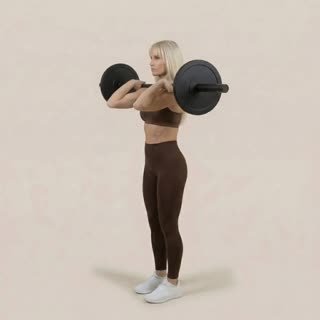 The anterior deltoid, at the front of the shoulder, which participates in pushing.
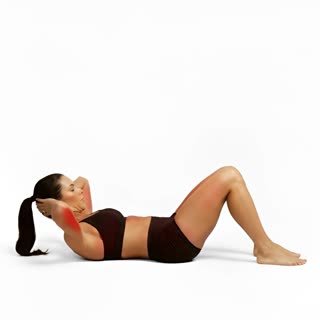 The abdominals, which sheath the trunk and stabilize the position.
This overall character makes dips a complete exercise for the shoulder girdle. The distribution of effort depends mainly on the position of the torso during the descent.
Tricep dips or pectoral dips: what's the difference?
Everything depends on the angle of the body. To target the triceps, the torso remains vertical, the elbows tight along the trunk and the gaze straight ahead. The tension is then concentrated on the back of the arm.
To direct the work towards the pectorals, lean your torso forward and spread your elbows slightly. The chest then takes over. A simple variation in posture therefore transforms the same movement into two distinct exercises.
Why include triceps dips in your workout?
Their first asset is their effectiveness. In a single movement, we develop arm strength and mass while engaging the chest and shoulders. Few bodyweight exercises offer such complete upper body work.
Their accessibility matters just as much. No need for an equipped room: two solid supports are enough. The gesture also remains functional, since it strengthens muscular chains useful for pushing, carrying or getting up on a daily basis.
How to do triceps dips correctly?
Place yourself in a support position, arms outstretched, hands under your shoulders and palms facing inward. Keep your torso straight, your legs stable, your core strong. Inhale on the way down, exhale on the way up.
The descent must remain slow and controlled. Then come back up, pushing hard through your palms, without suddenly locking your elbows at the top. Keeping the movement smooth protects the joints and maintains useful tension on the muscle.
What amplitude and placement of the elbows?
The ideal is to go down until you form an angle of around ninety degrees at the elbow. Going lower pulls on the shoulder without any real gain for the triceps. Elbows remain pointed backwards, never spread to the sides.
What mistakes should you avoid?
Several mistakes often recur and limit the results. Identifying them early avoids pain and quickly improves technique. The most common are:
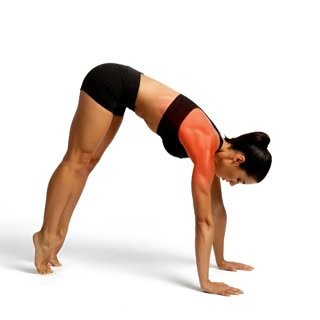 A descent that is too deep, which puts the shoulder in a fragile position.
- Elbows that extend outwards instead of remaining tight.
- A jerky movement, without control of the descent phase.
- Reduced amplitude, which does not exploit the full potential of the exercise.
How to do dips when you're starting out?
The full dip requires good starting strength. For a beginner, it is better to lighten the load before aiming for the classic version. Triceps dips on a bench or chair offer an excellent entry point.
In this variation, the hands rest on the edge of the support, the feet on the ground and the legs bent. The more the legs tense, the harder the exercise becomes. An assisted machine or an elastic band placed under the knees also gradually lightens the weight of the body.
Are dips dangerous for the shoulders?

DipsBras
When done well, dips are not dangerous: they strengthen the shoulder and the muscles surrounding it. The risk comes mainly from an excessive descent or a neglected technique. Respecting the amplitude and keeping the elbows tight clearly reduces joint stress.
A warm-up of the shoulder girdle usefully prepares the session. In the event of pain or a history of shoulder injury, the advice of a health professional or a coach is recommended before continuing.
How to progress and should we add ballast?
The progression follows a simple logic: first master the movement with body weight, over a full range and with a clean movement. We then increase the volume, in repetitions then in series, before thinking about the load.
Once the classic version has been acquired, ballast becomes relevant to continue gaining strength. It is added with a weight belt or a dumbbell held between the legs. Increasing the load little by little, without sacrificing amplitude or control, remains the rule for progress without injury. Two to three sessions per week, with sufficient rest between each, are enough to stimulate the arms without overworking them.
Which exercises should be combined with dips?
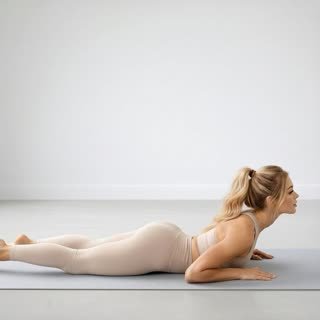
CobraDos
For a complete arm and upper body workout, dips combine well with other pushing and pulling movements. The push-up strengthens the same muscle chains from a different angle. Pull-ups, on the other hand, balance the effort by using the back and biceps.
Varying the supports also maintains motivation and the quality of the gesture. Parallel bars, gymnastics rings or an outdoor station slightly change the sensations while working the same muscles. This variety helps you progress over time without tiring the body. Alternating angles and supports also limits imbalances and maintains clean technique over the weeks.
Frequently asked questions about triceps dips
Which muscles do triceps dips use?
Triceps dips primarily target the triceps, at the back of the arm. The movement also engages the pectorals, the anterior deltoid and the abdominals which stabilize the trunk. It is a complete exercise for the upper body and shoulder girdle.
What is the difference between triceps dips and pectoral dips?
It all depends on the position of the torso during the descent. Vertical bust and tight elbows, the effort is concentrated on the triceps. With your torso leaning forward and your elbows apart, it’s the pectorals that take over.
How to do dips when you're starting out?
Triceps dips on a bench or chair are the best entry point, hands on the edge of the support and legs bent. An assisted machine or an elastic band under the knees also lighten the weight of the body. We then gradually straighten our legs to increase the difficulty.
Can we do dips every day?
It's best to avoid working dips every day, because the triceps need to recover. Two to three sessions per week, spaced with sufficient rest, give better results. Muscle is built during the recovery phase, not just during exercise.
You might also like
