Chest pull
Discover the chest pull, the muscles used, the variations on the high pulley, the low pulley, the machine, the different holds, and the differences with the neck pull and the horizontal pull.
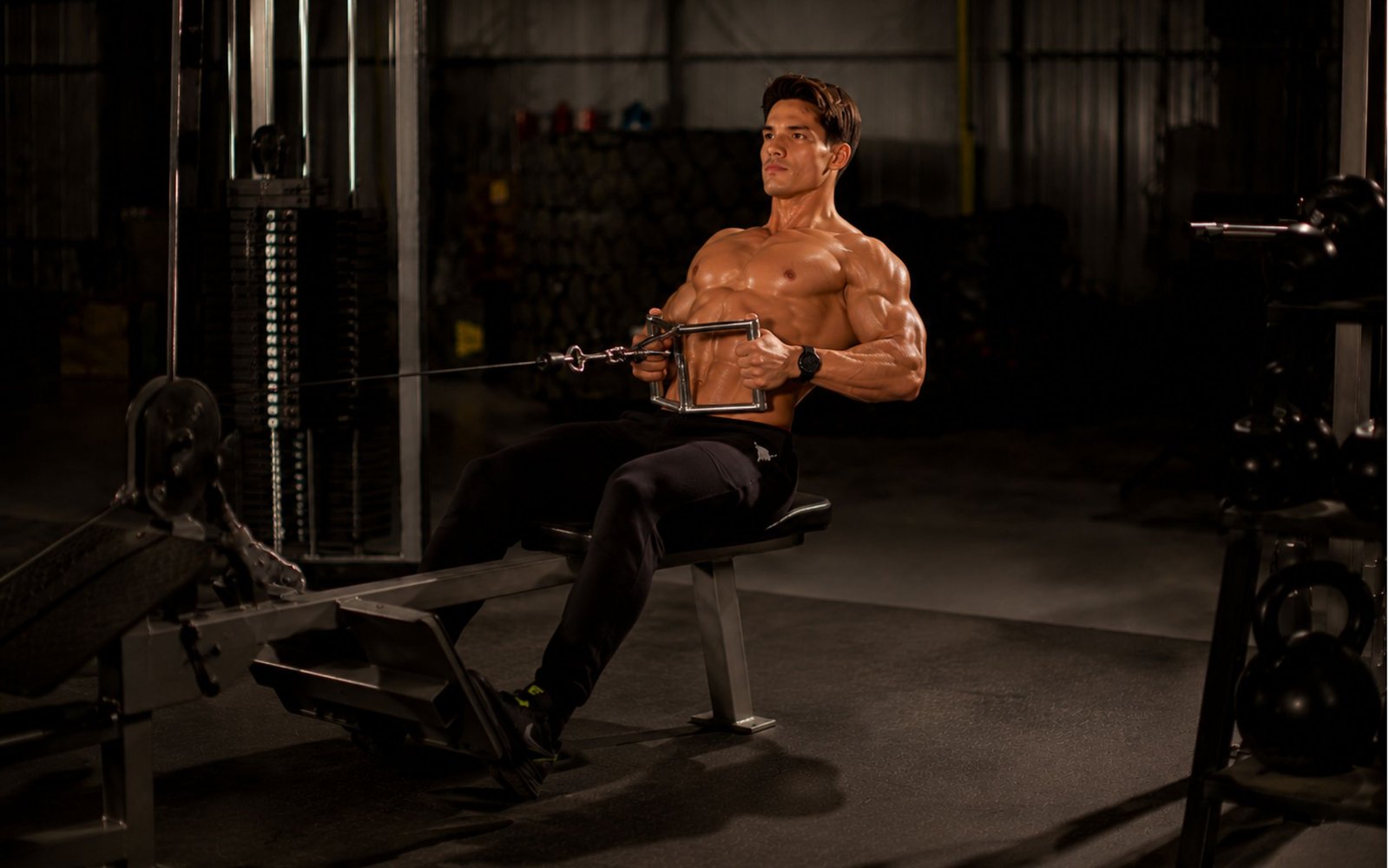
Chest Pull: a great classic for developing the back
The chest pull is one of the basic exercises for building a broader, stronger and more balanced back. It is present in most bodybuilding programs, whether the objective is to gain muscle, improve posture, strengthen the upper body or develop the latissimus dorsi. It appeals to both beginners and advanced practitioners, because it allows you to work with precision and easily modulate the load.
In practice, the chest pull includes several variations. We find the high pulley chest pulldown, the high bar pulley chest pulldown, the wide grip chest pulldown, the neutral grip chest pulldown, the tight grip chest pulldown, but also similar forms like the high pulley vertical chest pulldown. All of these options have the same general goal: pulling a load toward the upper chest while mobilizing the back in a controlled manner.
The great advantage of this exercise is that it can be adapted to the body type, level and available equipment. It exists in a free pulley version, on a guided machine, in a converging machine, and even in well-known environments such as Basic Fit, Fitness Park, Matrix or Technogym. This explains why the requests for this exercise are so numerous and varied.
High Pulley Chest Pull: the most famous version
The high pulley chest pulldown is the most common form. The practitioner sits with the thighs under the sausages, the arms stretched upwards at the start, then he pulls the bar or the handles towards the upper part of the chest. This mechanic is simple to understand, but the quality of the gesture changes everything.
With the high bar pulley chest pulldown, you can work with several hand widths and several palm positions. The trajectory must remain clean, the shoulders must remain low and the chest must remain open. The idea is not to swing your torso back to lower the load. The idea is to create a real draw with the back.
The high pulley vertical chest pulldown is often recommended for those who want to emphasize the latissimus dorsi and the width of the back. Done well, it also allows you to better learn scapular depression, that is to say lowering the shoulders before pulling.
High pulley chest pull muscles used
The high pulley chest pull muscles used primarily concerns the latissimus dorsi, but it never works alone. The teres major, the lower and middle trapezius, the rhomboids, the back of the shoulder, as well as the elbow flexors participate in the movement. Depending on the hold chosen, the emphasis may change slightly, but the back remains the center of the work.
Research such as chest muscle pull-up and vertical chest muscle pull-up clearly shows that practitioners want to know where the effort is coming from. In general, the vertical chest pull promotes the width of the back more, while the horizontal pull more readily develops the thickness of the middle of the back. This is why the two families of exercises complement each other so well in a program.
Chest Pull Wide, Neutral or Tight Grip: what does the grip change?
The width of the grip and the orientation of the hands modify the sensations, the amplitude and sometimes the joint comfort. This is why there are many requests: wide grip chest pulldown, pronation wide grip chest pulldown, high pulley wide grip chest pulldown, neutral grip chest pulldown, neutral tight grip chest pulldown, close grip chest pulldown, supination close grip chest pulldown, neutral close grip chest pulldown, high pulley close grip chest pulldown, or even pronation pulley chest pulldown and wide pulley chest pulldown.
Wide grip chest pull
The wide grip chest pull is very popular among those who want to accentuate the feeling in the upper latissimus dorsi and give the impression of a wider back. The version wide pronation chest pull is the best known. It places the palms forward, the hands wider than the shoulders, and requires good shoulder mobility.
This grip often limits the amplitude a little, but it gives a very clear feeling of pulling for many practitioners. It is suitable if you keep the movement clean and without excessive compensation of the bust.
Neutral grip chest pull
The neutral grip chest pulldown places the palms facing each other. Many find this position more comfortable for the shoulders, wrists and elbows. The version tight neutral grip chest pull often allows you to better keep the elbows close to the body and obtain a natural trajectory.
This option is often very interesting for practitioners who feel discomfort with grips that are too wide or too fixed.
Tight grip chest pull
The tight grip chest pulldown can be done with a neutral grip, with a V-shaped grip, sometimes supinated. The variants supination close grip chest pull and neutral close grip chest pull are often chosen to accentuate the recruitment of the latissimus dorsi while maintaining a tight trajectory.
The tight grip often has the reputation of giving more amplitude and a better feeling of pulling in the lower part of the latissimus dorsi, even if this depends a lot on the practitioner.
High Pulley Neck Pull: useful or outdated?
The high pulley neck pulldown remains a known variation, but it is more controversial. We find the queries neck pull high pulley muscles used, neck pull high pulley bodybuilding, neck pull machine with high pulley, high pulley pull behind the neck, neck pull down muscles used, neck pull down machine, neck pull down bar, vertical bar pull down nape, wide neck pull, wide grip nape pull and wide grip vertical nape pull.
In this version, the bar goes down behind the head. The problem is that it often requires a lot of thoracic and scapular mobility, as well as good shoulder freedom. For many people, the position is unnatural. It can cause you to move your head forward or open your shoulders too much in an uncomfortable area.
For this reason, most practitioners are advised to favor pulling towards the chest rather than pulling behind the neck. The chest pull generally remains simpler to control, more accessible and more consistent with good shoulder mechanics.
Horizontal Pulley Pull: the natural complement to the chest pull
The pulley horizontal pulldown is often associated with the chest pulldown in a balanced back program. If the chest pull places more emphasis on width, the horizontal pull more likely targets the thickness of the middle of the back and the retraction of the shoulder blades.
We find a very large number of variations here: low pulley horizontal pull, low pulley horizontal pull neutral grip, low pulley horizontal pull tight grip, low pulley horizontal pull wide grip, low pulley horizontal pull or machine, low pulley horizontal pull basic fit, low pulley horizontal pull back wide, horizontal low pulley pulldown neutral, horizontal pulldown low pulley pronation grip, horizontal pulldown low pulley supination, horizontal pulley wide pulley, horizontal pulley pulley wide grip, horizontal pulley neutral grip, horizontal pulley pulley neutral grip, horizontal pulley pulley back, horizontal pulldown pulley close grip, horizontal pull pulley tight grip low pulley and horizontal pull pulley rope.
Horizontal pull of muscles used
The requests horizontal pull muscles used, horizontal pull muscles worked, machine horizontal pull muscles used, horizontal pulley pull muscles used, horizontal pull back muscles used, horizontal pull wide grip muscles used, horizontal pulley pulley low muscles used and horizontal pull supination muscles requestedreflect a real desire to understand.
In general, the horizontal pull strongly uses the middle trapezius, the rhomboids, the back of the shoulder, the latissimus dorsi and the muscles that stabilize the shoulder blades. The biceps also participate in the movement. Depending on the grip, the feeling may be a little more focused on the middle of the back or the latissimus dorsi, but the postural role of the movement remains very strong.
Horizontal pull wide or tight grip
The comparison wide or tight horizontal draw comes up often. A wide grip opens the elbows more and often directs the work a little more towards the upper and middle back. A tight grip keeps the elbows closer to the chest and can strengthen the feeling in the latissimus dorsi.
We thus find searches such as wide grip horizontal pull-up, wide grip horizontal pull-up muscle strained, wide grip horizontal pull-up bilateral bar, neutral wide grip horizontal pull-up, wide grip horizontal pull-up supination, wide machine grip horizontal pull-up, wide muscle grip horizontal pull-up, wide dumbbell grip horizontal pull-up bilateral, but also close grip horizontal pulldown, close grip horizontal pulldown supination, neutral close grip horizontal pulldown, close grip horizontal pulldown barbell bilateral, close grip horizontal pulldown muscle used, bilateral dumbbell close grip horizontal pulldown, machine close grip horizontal pulldown and close grip horizontal pulldown pulley.
Horizontal draw neutral socket
The neutral grip horizontal draw is often one of the most comfortable shapes. We also find horizontal pull neutral grip tight, horizontal pull neutral grip wide, horizontal pull neutral grip machine, horizontal pull neutral grip muscle requested, horizontal pull neutral grip unilateral, horizontal pull neutral grip or pronation, horizontal pull neutral grip alternative, horizontal pull neutral grip pulley, pulley pull horizontal neutral grip basic fit, horizontal pulley pulley neutral or tight grip, horizontal pulldown neutral grip shoulder width, horizontal pulley low pulley neutral or wide grip and horizontal pulley pulley neutral grip or pronation.
This grip is often well tolerated by the shoulders and allows a fairly natural trajectory. For many, it is an excellent starting point.
Low Pulley Chest Pull-Up: what are we really talking about?
The request low pulley chest pulldown appears regularly, even if it sometimes mixes the vocabulary of vertical pulldown and that of horizontal pulldown. In practice, when the pulley is low, it is closer to a row or a horizontal pull than to a true vertical chest pull.
This shift in vocabulary is common in the classroom. Many practitioners use the word “chest pull” as an umbrella term when talking about pulley back exercises. From a technical point of view, it remains useful to distinguish vertical pulling towards the chest and horizontal pulling towards the stomach or lower sternum.
Chest Machine Pull and Horizontal Machine Pull
The chest machine pulldown and the horizontal machine pulldown are very popular because they simplify stability. The practitioner can better concentrate on muscle contraction, trajectory and sensation. Here we find variants such as horizontal draw machine basic fit, horizontal draw machine convergent, horizontal draw technogym machine, horizontal draw machine guided, horizontal draw machine fitness park, horizontal draw machine unilateral, horizontal draw machine back, horizontal draw machine in English, horizontal draw machine back basic fit, unilateral convergent machine horizontal pulldown, guided machine horizontal pulldown, back guided machine horizontal pulldown and seated horizontal pulldown wide grip bilateral pulley guided machine.
Converging machines are often very interesting, because they allow a more natural trajectory for the arms. Guided machines reassure with their stability and facilitate work close to failure.
Horizontal machine or pulley pull
The question horizontal pull machine or pulley, horizontal pull machine or low pulley, horizontal pull rowing machine or low pulley and horizontal rowing pulley pulley or machine often comes up. In reality, both options are useful. The pulley provides continuous tension and plenty of grip freedom. The machine provides more stability and sometimes a better feeling of contraction.
The right choice depends on the level, comfort and objective. Many practitioners progress very well by alternating the two.
Horizontal Bar Pull, EZ Bar, Straight Bar, V bar and T bar
The material also changes the feeling a lot. We find the searches for horizontal bar pulldown, horizontal straight bar pulldown, horizontal bar pulldown, horizontal bar pulldown wide, horizontal bar pulldown pronation, horizontal bar pulldown supination, horizontal bar pulldown, horizontal bar pulldown, horizontal bar pulldown wide, straight bar horizontal pulldown supination grip, straight bar horizontal pulldown pronation, ez bar horizontal pulldown, chest bar pulldown, ez bar chest pulldown, horizontal v bar pulldown and straight bar pulldown on horizontal bench.
The straight bar in pronation often gives a more “upper back” sensation. The V bar or neutral grip often promotes a tighter, more comfortable draw. The EZ bar can offer an interesting compromise for the wrists.
Horizontal print in English
The query horizontal pulley pull in English or horizontal machine pull in English often comes up among practitioners who follow international content. In general, the horizontal pull on the pulley is closer to the “seated cable row”, the “seated row” or the “cable row”. The machine version can simply be named “seated row machine”.
Horizontal Pulldown vs Rowing Bar: should you choose?
The comparison horizontal pulldown vs rowing bar is very interesting. The barre row requires more core strength, torso control and lumbar stability. The horizontal pulley or machine pull provides more external stability. One does not cancel the other. On the contrary, they complement each other very well.
If you want a complete back, it is often relevant to combine a vertical pull like the chest pull and a horizontal pull like the seated row, then possibly a freer row depending on your level.
How to properly do a chest pull
Whatever the variant, a few principles remain essential:
- Keep your chest open and shoulders low.
- Start the pull with your back, not just your arms.
- Control the rise instead of letting the load suddenly start again.
- Choose a grip that is comfortable for your shoulders.
- Avoid pulling behind your neck if you lack mobility.
- Stay within your own amplitude rather than seeking a forced movement.
The quality of the gesture is always more important than the weight displayed. A well-done chest pull gives a real feeling of work in the back, without unnecessary tension in the neck or unwanted movement of the lower body.
Conclusion: chest draw, horizontal draw and neck draw, how to find your way
The chest pull remains a solid foundation for developing back width, learning to pull correctly and strengthening the upper body. Between high pulley chest pulldown, high bar pulley chest pulldown, high pulley chest pulldown, wide grip chest pulldown, neutral grip chest pulldown, close grip chest pulldown, pulley chest pulldown, low pulley chest pulldown, chest pulldown muscles used, high pulley vertical chest pulldown, machine chest pulldown, pulley horizontal pulldown, low pulley horizontal pulldown, machine horizontal pulldown, neutral grip horizontal pulldown, wide grip horizontal pulldown, close grip horizontal pulldown and high pulley neck pulldown, the most important thing is to understand the logic of movement.
The vertical pull towards the chest favors the width and the latissimus dorsi. The horizontal pull further develops the thickness and control of the shoulder blades. The neck pull remains a more demanding and often less useful option for the majority of practitioners. With the right grips, equipment and clean execution, these exercises can build a stronger, fuller and more balanced back.