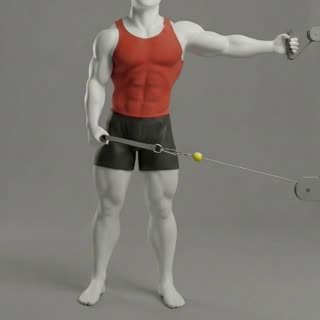
Horizontal Pull-Up: a basic exercise to build a strong and balanced back
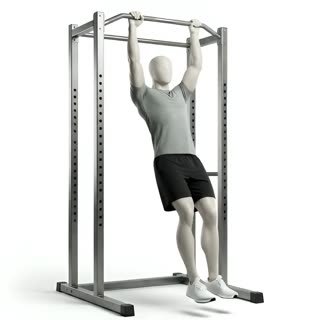
Pull upDos · traction
The horizontal pull-up is one of the essential exercises to develop the back, improve posture and strengthen the back of the upper body. It is appreciated both in the weight room and in rehabilitation, fitness and strength training. Its main benefit is simple: it allows you to pull a load towards you in a horizontal plane, which strongly recruits the back muscles and helps to better stabilize the shoulders.
We find this exercise in several forms. It can be performed on the pulley low, on the machine, with a guided version, in a unilateral or bilateral version, with bar, with handle, with dumbbell, with dumbbells or even with elastic. This wealth of variations explains why the horizontal draw adapts to almost all levels.
When performed well, the movement improves the quality of scapular placement, shoulder stability, pulling strength and upper back muscle mass. It therefore constitutes a very useful basis in a program oriented towards strength, hypertrophy or postural health.
Horizontal draw in English: what is the exercise called?

Rowing assisDos · poulies
The question of the name in English often comes up, especially when you follow an international program or watch foreign videos. The horizontal draw is often compared to the “seated row”, the “cable row” or the “low row” depending on the version used.
This nuance is useful because it allows you to better understand the variants. A seated row often refers to a horizontal seated pull. A cable row emphasizes the presence of the pulley. A low row evokes pulling at the low level, which is often close to the low pulley.
Muscle, muscles used and function of horizontal pulling
The main muscle that we seek to recruit with the horizontal pull is rarely isolated. As is often the case in bodybuilding, several muscles work together. The muscles used mainly include the latissimus dorsi, the rhomboids, the middle and lower trapezius, the back of the shoulder, as well as the elbow flexors such as the biceps and the brachialis.
The muscle used however depends on several parameters: the angle of the pull, the trajectory, the amplitude, the type of machine and especially the grip. An execution with elbows close to the body does not recruit exactly the same areas as a more open pull. This is why two people can “do horizontal pulling” without feeling the same thing.
The movement also helps stabilize the scapula, correct certain postures that are too curled forward and strengthen the entire posterior block. This makes it particularly valuable in fitness, performance and prevention programs.
Horizontal low pulley pull: the most famous version
The low pulley horizontal pulldown is probably the most common form of the exercise. The practitioner is generally seated, facing a lower pulley, feet supported, torso stable, and the load is pulled towards the abdomen or lower sternum depending on the variant.
This version is particularly interesting because it offers regular tension throughout the movement. It also makes it easy to control the trajectory and the load. For a beginner, this is often a great starting point. For an experienced practitioner, it is a very useful tool for accumulating a volume of quality work.
The feeling will depend a lot on the handle chosen. A V-handle often promotes a neutral grip. A straight bar changes the angle of the wrist and elbows more. An independent handle can accentuate scapular work.
Horizontal draw neutral socket
The neutral grip horizontal pull is one of the most popular variations. In this configuration, the palms face each other. This position is often comfortable for the wrists and allows many practitioners to better engage the back without overloading the elbows or shoulders.
The neutral grip often favors a pull where the elbows remain close to the body. This directs the work more towards the latissimus dorsi, the middle of the back and the back of the shoulder. Many practitioners find it more natural than other forms of grip.
Horizontal pull wide, tight grip, pronation or supination
The width of the grip greatly changes the sensation. A wide grip modifies the opening of the elbows and often accentuates the work of the upper back. A tight grip, or tight if we talk about the pulling style, brings the arms closer to the chest and places more emphasis on the latissimus dorsi and the center of the back.
The pronation places the palms down. It can make the pull a little more demanding on the back of the shoulder and upper back. Supination, palms facing up, further changes the biomechanics and can involve the elbow flexors more. There is no single best take. Above all, there is a grip consistent with your objective and your joint comfort.
Horizontal machine printing: why this variant is so popular
The horizontal machine pull is attractive because it offers more stability. The trajectory is partially guided, which allows the practitioner to concentrate on muscle contraction and the quality of the pull. This is an excellent option for learning the movement, protecting your technique or pushing your muscle work further without losing placement.
A machine guided also helps to better feel the back work in people who have difficulty stabilizing their torso. It reduces certain compensations and can be very interesting in terms of progression or the end of the session.
Convergent horizontal pull, Hammer and Technogym
Horizontal printing also exists on a convergent machine. This design allows the arms to follow a more natural trajectory, often more respectful of the shoulders. Some machines allow you to work bilateral or unilateral, which improves control of asymmetries.
The hammer type models are known for their robust feel and their popular hypertrophy trajectory. There are also technogym versions in many rooms. The interest does not come only from the brand, but from the comfort, ergonomics and quality of resistance.
In a serious guide, it must be remembered that no machine is magic. A good machine never replaces good execution. Above all, it allows the movement to be better expressed.
Unilateral or bilateral horizontal draw
The horizontal draw can be carried out in a unilateral or bilateral version. Bilaterally, both arms pull at the same time. This is the simplest form of accumulating charge and volume. In unilateral, only one arm works at a time. This variation is very useful for correcting an imbalance, better controlling the scapula and improving the connection between the arm and the back.
Unilateral pulling also often allows you to gain amplitude. It can help some practitioners to better feel the latissimus dorsi and the scapula fixators. This is a very good alternative when the bilateral version becomes too automatic or poorly balanced.
Seated, standing or high pulley horizontal pulldown
The most classic form remains the horizontal sitting pull. This position helps to better stabilize the pelvis and trunk. However, certain standing variations can be interesting for a more functional or athletic objective, in particular with cable or elastic.
The term high may seem contradictory with the horizontal pull, but some machines or certain cable assemblies allow a horizontal pull with a pulley placed higher. This changes the angle of the movement and can accentuate certain areas of the back or back of the shoulder.
The important thing is to maintain a trajectory that remains consistent with a real horizontal pull. As soon as the angle becomes too vertical, we move towards another family of exercises.
Horizontal pull-up with bar, handle, dumbbell, dumbbells or elastic
Horizontal printing can be available with several accessories. A straight bar feels different from a triangular handle. An individual grip sometimes promotes better wrist alignment. The dumbbell allows a freer version, often close to the one-arm row. dumbbells can also be used on an inclined bench or in a bent-over position.
The version with elastic is particularly useful for home, warm-up, recovery or sessions where you want to reduce joint stress. It offers less mechanical stability than a machine, but remains very effective if you maintain controlled movement and good tension.
Each material therefore has its interest. The right choice depends on the level, the training location, the objective and the sensations sought.
Which back muscles are actually used depending on grip and width
The width of the grip modifies the trajectory of the elbow and the muscular emphasis. A wider grip can give more work to the upper back, especially the rhomboids, middle trapezius and back of the shoulders. A tighter grip often favors a trajectory closer to the bust, often associated with the latissimus dorsi.
The grip width must, however, remain compatible with your shoulder mobility. A grip that is artificially too wide can cause loss of print quality. A grip that is too narrow can reduce the amplitude or shift the work towards the arms.
The real good benchmark is control. If you feel your shoulders rising, your lower back compensating or your wrists getting in the way, you need to review the grip or load.
How to properly perform the horizontal pull
A good horizontal pull starts with a stable position. The bust remains sheathed, the chest open, the shoulders low and the neck long. The movement starts from the back, not just the arms. You must pull with control, bring the shoulder blades together without exaggerating, then return slowly without losing tension.
Most errors come from too much momentum, too heavy a load or a lack of scapular control. Many exercisers pull too much with their biceps or round their lower back to finish the repetition. This reduces efficiency and increases offset risk.
Frequent errors
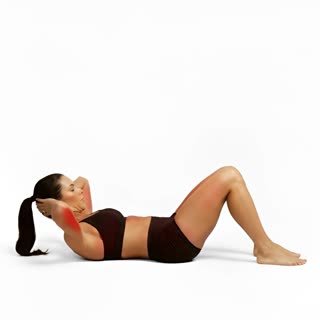 Raise your shoulders at the end of the pull.
- Using too much momentum with your torso.
- Pull with arms only.
- Losing trunk position during the return phase.
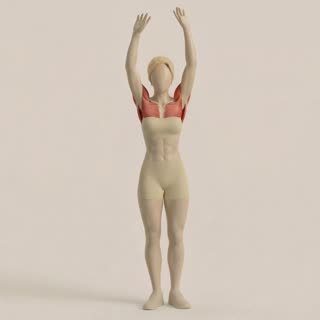 Choose a grip that is unsuitable for your mobility or purpose.
Strengthen your back with the horizontal pull: for whom and why
Horizontal printing suits almost everyone. Beginners, intermediate practitioners, experienced athletes or fitness professionals can integrate it into their program. It is particularly interesting for those who want to balance the work of the pectorals, strengthen their posture and build a stronger back.
In many rooms, we find it in fitness spaces as well as in more strength-oriented environments. It can be perfectly integrated into a full body, upper body or back session. It is also found in many park or functional room type environments, with more free adaptations.
Alternative to horizontal draw
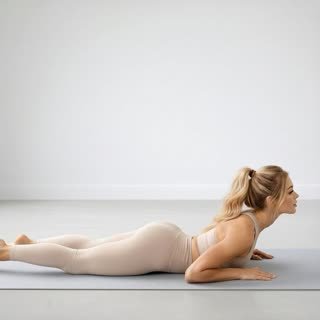
CobraDos
When you don't have access to the machine or the pulley, there is always an alternative. The one-arm row with a dumbbell, the row with an elastic band, the row on an incline bench, certain variations with the bar or even certain pull-ups with the strap can fulfill a similar role.
The most important thing is to maintain the intention of the movement: to pull towards yourself in a horizontal plane, with control, stability and concentration on your back. The exact form may change. The function must remain consistent.
Conclusion: why horizontal pulling deserves a central place in your program
The horizontal pulldown is one of the best exercises for developing the back, improving posture and strengthening the used muscles of the upper body. Thanks to its numerous variations in the pulley, low, machine, neutral, wide, tight, pronation, supination, unilateral or bilateral version, it can adapt to almost all profiles.
Whether you choose a convergent machine, a technogym machine, a hammer version, a seated execution, standing, with bar, with handle, with dumbbell, with dumbbells or with elastic, the essential remains the same: clean execution, a good trajectory and a real intention to work the back.
Well mastered, this movement becomes a very solid basis for progress in bodybuilding, fitness and postural health.
You might also like