Back pulling: what the movement actually trains
A pull is any movement that brings a load toward you. In the gym, it's the number one family of exercises for the back. Here's what pulling hits first: the lats, the mid traps, the rhomboids and the biceps. That's several muscle groups firing in a single set, which is what makes pulling work so efficient when you're short on time.
Two landmarks are enough to find your way around. If the load comes down from above toward you, it's a vertical pull. If it comes from in front toward your stomach, it's a horizontal pull. The rest is just a question of angle, grip and equipment.
Vertical pulling: the foundation of lat training
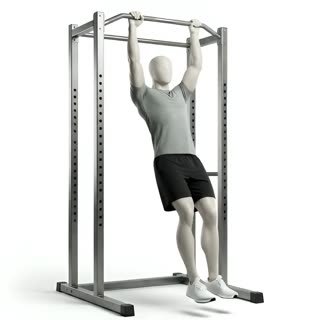
Pull upDos · traction
The vertical pull is done on a high pulley. Seated, thighs locked under the pad, you pull a bar down toward your upper chest. The movement mimics a pull-up, but with a load you can dial in kilo by kilo. That's why it almost always opens a back session for a beginner.
How to do a clean lat pulldown
Take the bar slightly wider than shoulder width. Open your chest, then drive your elbows down and back. The bar stops at collarbone level, never lower. You have to control the way back up: the negative counts as much as the pull itself. Keep your torso braced, with no swinging from the lower back.
Straight bar, neutral handle or close grip?
A straight bar with a wide grip mainly targets back width. A neutral-grip handle shifts the work toward the lower lats and brings the arms in more. Behind-the-neck pulldowns put the shoulder in an extreme position: the version in front of the head stays the better option for almost everyone.
Horizontal pulling: thickness, not just width
The low pulley row is the perfect complement to vertical work. Seated, knees slightly bent, you bring the handle to your navel while squeezing your shoulder blades together. This movement builds back thickness and protects the shoulders from the imbalances that come with heavy bench pressing.
The V-bar, the most versatile attachment
The V-bar handle gives you a comfortable grip and a natural bar path. It clips onto the station's carabiner in a couple of seconds. Plenty of pro coaches prefer it to the short bar on long sets, because it's easier on the wrists.
Back pulling: two variations worth adding to your program
The dumbbell row is done with one knee and one hand supported on a bench. Each side works alone, which corrects asymmetries. Your stronger side can no longer cover for the other.
The upright row targets the delts and the traps. You pull a bar up along your body, elbows high. Keep the range to sternum height to spare the joint.
Pulling machines: choosing the right station
A cable station puts the high and low pulley on the same frame. With this kind of machine, back training and grip work progress together. Check three things before you buy: the maximum load, how smoothly the cable runs, and your ceiling height.
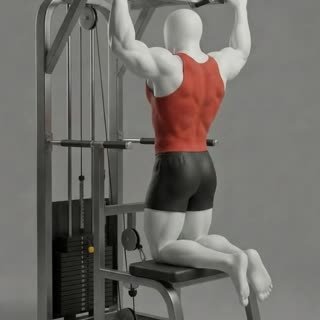
Tractions assistéesDos · traction
Some models offer a dual column, handy for alternating movements. Others bolt straight onto an existing rack, a smart solution at home. In a gym, the cable station usually sits next to an assisted pull-up post.
Pulling attachments: the small gear that changes everything
Pulling attachments clip onto the cable and change the angle of your wrists. They cost very little and turn a cable station into a full back workshop. Here are the essentials:
- The long lat bar: wide grip, ideal for lat width.
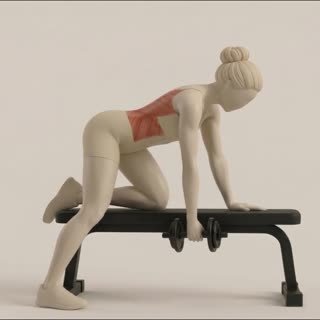 Single stirrup handles: one handle per hand, for unilateral work.
- The V-bar: built specifically for seated rows and close-grip pulling.
- Nylon straps: they take the load off your forearms when your grip gives out before your back does.
- The rope: perfect for face pulls and finishing sets.
Switching handles every few weeks restarts progress without touching the loads.
Common questions about pulling
How many pulling sets per week?
Count on ten to fifteen sets a week for the back, split over two sessions. Mix vertical and horizontal pulling exercises in each one.
Can you progress without a machine?
Yes. Pull-ups, barbell rows and band pulls give excellent results. That said, a cable station is still easier to dose for a beginner.
Do you need a coach to get started?
Sloppy cable work wears your shoulders down slowly. Two or three supervised sessions are usually enough to fix your bar path. On Koatcher, you'll find a strength training coach near you, in the gym or at home.