Turning 50 doesn't mean hanging up your trainers. Usually it's the opposite. The body changes, and that's exactly why it needs to be worked. Plenty of adults hold back, afraid of doing it wrong or getting hurt. Yet regular physical activity is still the best health investment there is. Here's how to pick your discipline, set your weekly volume and get back into training without breaking anything.
Your fifties: a good time to get moving again
From 50 onwards, the body sends a few signals. Muscle mass drops by around 1% a year if you do nothing. Bone density falls too, particularly in women after menopause. Flexibility narrows, recovery takes longer. None of it is dramatic: these are normal changes, and they slow down as soon as you start moving. So it's never too late to start.
Results that come quickly
The first benefits show up within a few weeks. And they go well beyond how you look. Training regularly affects almost every system in the body:
- blood pressure and cholesterol coming back down;
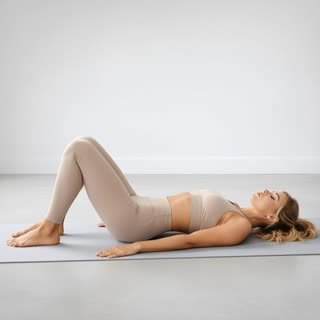 more strength and better posture day to day;
- stronger bones, so fewer fractures after a fall;
- deeper sleep and a steadier mood;
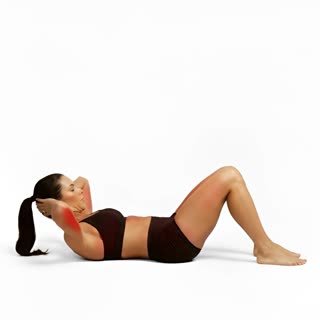 better blood sugar control, with a real preventive effect against diabetes.
The benefits of exercise after 50 are mental too. Moving helps you feel sturdier, more independent, less worn out at the end of the day.
The right activity does more than offset the passing years. Adults who start at 55 often get back within six months to the shape they were in ten years earlier. The body keeps its ability to adapt for a very long time, as long as you give it a reason to.
Which activities to choose when you're starting out
There's no miracle discipline. The best one is the one you'll stick with. Three families work well together.
Easy endurance: walking, swimming, cycling
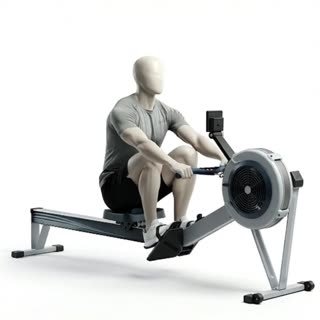
RameurCardio · machines
Brisk walking is still the ideal way in. It costs nothing and works in any conditions. Nordic walking goes a step further: the poles bring the upper body into play and take load off the joints. Swimming removes almost all your body weight and suits sensitive backs. Cycling, water aerobics and the rowing machine round out the list. Count on 30 to 45 minutes per session, at an intensity where you can still hold a conversation.
Strength work, priority number one
This is the piece most beginners skip. Yet holding on to muscle mass is what protects you best against losing your independence. Two sessions a week are enough to turn things around. Work the big muscle groups: legs, back, chest, core. Resistance bands, machines, bodyweight or light dumbbells all do the job perfectly. Keep the load moderate at first, with flawless technique.
Flexibility, balance and mobility
Yoga, Pilates and tai chi improve joint range and balance. That last point matters enormously: good balance cuts your risk of falling. Ten minutes of stretching after a session is already enough to maintain flexibility. Add simple drills, like standing on one leg while you brush your teeth.
Team sports and hard efforts: possible, but prepare for them
Football, tennis and padel are all still within reach at this age. They do demand a solid base, though, because the constant changes of direction expose you to injury. Intense sport after 50 isn't off limits: it's something you build up to. Start with three months of base work, then add intensity in small doses. Knowing your limits isn't giving up, it's what lets you keep going for years.
How much to aim for each week
The 150-minute benchmark
The World Health Organization recommends 150 minutes of moderate activity a week for people over 50, plus two strength sessions. That's five 30-minute outings. If you're starting from zero, begin with half of that. A volume you actually complete beats an ambitious plan you drop after ten days.
What a balanced week looks like
Here's a simple framework, to adjust to your own needs and your current fitness:
- Monday: 30 minutes of brisk walking;
- Tuesday: 40 minutes of strength training;
- Thursday: swimming or cycling, 30 to 40 minutes;
- Saturday: full-body strength session;
- Sunday: a long easy-paced outing, outdoors.
Two full rest days remain essential. Those are the days when the body repairs itself and makes progress.
Getting back into it without injury: the method
Start with a medical check
A medical check-up is a must before you start again, especially after several years off. The doctor looks at your heart, your blood pressure and your joints. They can order a stress test if you're aiming for demanding training. This step clears up any doubts and lets you move forward with confidence.
Progress in small steps
The most useful rule comes down to one number: don't increase your training load by more than 10% a week. Ten more minutes, one extra set, one more kilometre. It's not much, but it adds up fast. Tendons and cartilage adapt more slowly than your lungs. Building up gradually is how you avoid the month-two tendinitis.
Reading your body's signals
Muscle soreness that lasts two days is normal. Sharp joint pain isn't. Learn to tell the two apart, and don't push through when something feels wrong. Warm up for ten minutes before every session, drink regularly, and get enough sleep. Recovery is part of training, not laziness.
Men and women: slightly different priorities
The broad principles are the same for everyone, but the things to watch differ. In women, the drop in oestrogen weakens the skeleton: loaded work and moderate-impact exercises become the priority for bone density. In men, muscle loss and belly fat usually show up first, with the heart needing closer attention. In both cases the same answer works: strength, cardio and consistency.
Moving to lose weight without wearing yourself out
Metabolism does slow with age, that much is true. It doesn't block fat loss, though. The winning strategy combines endurance and strength work: cardio burns calories during the session, muscle burns them around the clock. Add more protein at meals and more walking during the day. Trying to lose weight through exhausting sessions alone nearly always ends in injury or in giving up.
Getting support to start well
Training with other people changes a lot over the long run. A club, a neighbour or a walking group will get you out the door on the days you can't be bothered. That's often what separates the people still going after six months from the ones who quit in February.
A personal trainer makes the real difference in those first weeks. They assess where you actually are, correct your positions and adjust the volume to your pace so you can work on your weak points. It's also the best way to learn how to build strength without putting your back at risk. A good book on exercise after 50 gives you useful markers, but it will never see how you're executing a movement. On Koatcher you can find a personal trainer near you, including supervised fitness sessions in Carcassonne and elsewhere. Many offer a first trial session, in a gym, at home or outdoors.
Your questions about getting back into sport in your fifties
Which sport is best for a man over 50?
Swimming or cycling plus two weight-training sessions is still the most effective combination. It protects the heart while limiting muscle loss. Tennis or football stay perfectly possible once the endurance base is there.
And for a woman getting back into training?
Nordic walking, strength work with weights and Pilates make a very complete trio. The first maintains your cardio, the second your bones and muscle, the third your posture and flexibility.
Which activity really helps with losing weight?
None of them does it all. Cycling, swimming and fast walking burn a lot, and weight training keeps your resting expenditure up. The two together give the best results over time.
Is there an ideal sport after 50?
The best sport is the one you enjoy enough to do every week. If you had to keep only one, swimming ticks the most boxes: cardio, muscle, joints spared.
How do you start again after years of doing nothing?
Three steps: a medical green light, two or three 20-minute outings in the first week, then a 10% increase every seven days. A professional can put together a tailored plan from day one.
Can you still make progress at this age?
Yes, and sometimes faster than at 30 when you're starting from far back. Gains in strength and fitness are real at any age, provided you stay consistent and patient.