Exercise and pregnancy: why you should keep moving
Being pregnant no longer means putting your trainers away. Official guidance recommends 150 minutes of moderate physical activity a week, spread across most days. Training regularly keeps weight gain in check, lowers the risk of gestational diabetes and improves sleep. It also prepares the body for labour and makes recovery afterwards easier. What changes is the goal: you’re no longer chasing performance, you’re working to maintain your fitness. You still need the green light from your doctor or midwife before you start, especially with a multiple pregnancy or high blood pressure.
What to do in each trimester
First trimester: keep your routine, ease off the gas
Nausea and fatigue usually dominate these first twelve weeks. If you already trained, carry on with your usual sessions and drop the intensity a notch. If you’re starting from scratch, brisk walking, swimming and a stationary bike are the best ways in. The most reliable gauge is the talk test: you should be able to hold a conversation while you work. Three 30-minute sessions a week is plenty.
Second trimester: your most comfortable window
Energy comes back and the nausea fades, which makes this the most enjoyable stretch for training. Focus on light strength work, prenatal yoga, water aerobics and cycling. From week sixteen onwards, avoid lying flat on your back for long: the weight of the uterus presses on the vena cava and makes you dizzy. Train your upper back and glutes — they’re the ones absorbing the shift in posture.
Third trimester: dial it down, keep moving
Your centre of gravity shifts and balance gets unreliable. Shorten your sessions and lighten the loads, but don’t stop altogether. Walking, swimming, gentle stretching and breathing work all prepare you for the big day. Many women feel best in the water, which takes the weight of the bump off. Stop immediately if you get contractions, bleeding or unusual breathlessness.
Exercises to avoid during pregnancy
Some activities carry a real risk of falling, of a blow to the abdomen, or of excessive internal pressure. Better to shelve them until after the birth.
- Contact and combat sports: judo, boxing, rugby, martial arts.
- Anything with a fall risk: skiing, horse riding, mountain biking, climbing, skating.
 Scuba diving, which is dangerous for the baby at any depth.
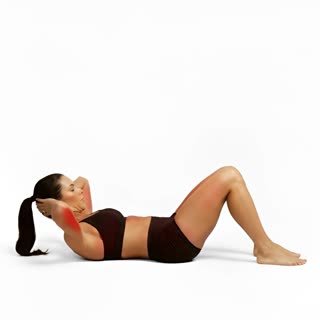 Classic ab work, crunches and leg raises, which make diastasis worse.
 Repeated jumping, heavy loads and any effort done while holding your breath.
- Training above 2,000 metres of altitude and sessions in high heat.
Eating around your workout
When you’re pregnant, blood sugar drops faster than it used to and dizziness hits without warning. Listen to your body before every session. It needs more fuel: roughly 300 extra calories a day in the second trimester. Carbohydrates become the priority, because they rebuild your glycogen stores and remain the muscle’s first source of energy.
Getting the timing right between a meal and a session
A full meal takes two to three hours to digest. If you train at lunchtime or late in the day, leave that gap before you start. When there’s less time than that, a light snack 30 to 60 minutes beforehand is enough to cover the first fifteen minutes of effort. In the morning, a small portion of porridge oats with a banana, or simply a slice of wholegrain toast, keeps your blood sugar up without sitting heavy. The aim isn’t to eat a lot, just enough to sustain a long effort.
The best foods before training
Go for foods that are high in carbohydrates, easy to digest and low in fat. Fresh fruit brings vitamins, minerals and fast-release sugars. A dairy product or a handful of almonds tops up the protein, which helps recovery. That kind of plate covers the essentials without weighing down digestion.
- Porridge oats, rice, pasta or wholegrain bread, for complex carbohydrates.
- Banana, unsweetened fruit purée or dried fruit, before a short session.
- Plain yoghurt, fromage blanc or a hard-boiled egg, for the protein.
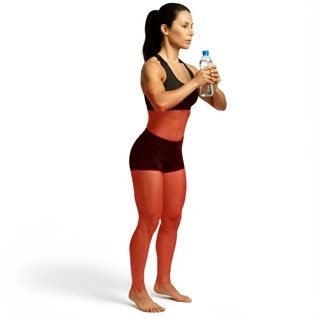 Still water, in small regular amounts, before, during and after training.
On the avoid list: fatty dishes, fried food, heavy sauces and too much fibre. They slow digestion and encourage reflux, which is already common late in pregnancy. Strong coffee and fizzy drinks are best skipped too, since they leave you less well hydrated.
Getting back to exercise after the birth
The first six weeks: pelvic floor first
Everything starts with pelvic floor rehab, prescribed after your postnatal check-up. That set of muscles carried nine months of load, then the birth itself. Loading it too soon leaves you exposed to leaks. Stick to gentle walking and abdominal breathing. After a caesarean, expect closer to eight to ten weeks. Our guide to strengthening your pelvic floor covers the right exercises in detail.
Rebuilding your fitness, one stage at a time
Once the pelvic floor has its tone back, core rehab takes over. Then comes full-body strength work, and finally the return to harder training. Give yourself three to six months to get back to your old level. Breastfeeding doesn’t rule out exercise: it just means eating and drinking more. Running, though, can wait four to six months, because the impact is still a lot for a pelvic floor that’s only just recovering.
Working with a coach trained in pre- and postnatal fitness
A specialist personal trainer adapts every exercise to your trimester, your background and your goal. They spot the compensations, adjust the intensity session by session, and can advise you on what to eat around training. It’s the safest way to keep moving now, and to get back into it once the baby is here. Find a coach near you and have a chat before you book.
Your questions about exercise and pregnancy
Is it better to eat before training, or after?
Both matter. Beforehand, the meal gives your muscles the energy they need. Afterwards, it kick-starts the rebuilding of your stores. While pregnant, never skip the meal or snack before a session.
How long before training should I eat?
Two to three hours for a proper meal, 30 to 60 minutes for a snack. The gap varies with the type of food and with your own digestion.
What about mornings — should I train fasted?
No. Fasted training isn’t advised during pregnancy. A small portion of carbohydrates when you wake up is essential to start with some energy in the tank.
Can I start exercising with no sporting background?
Yes, with your midwife’s approval. Begin with fifteen minutes of walking, three times a week, then build up the duration before the intensity.
Does exercising while pregnant help you lose weight?
That’s not the point. Pregnancy is never the time to diet. Here, moving is about managing weight gain and holding on to your muscle mass.