Want to build upper-body strength without beating up your joints? The face pull is one of the movements coaches recommend most. It trains an area most people neglect and helps you hold a taller posture all day. Here's everything you need to do it right.
What exactly is a face pull?
It's a horizontal pull performed at face height. The idea is simple: you pull a rope toward your forehead, elbows high and wide, then control the weight back to the start. It suits any age and any level, from complete beginner to experienced lifter, because the load stays light.
Which muscles does the face pull work?
Rear delts and the posterior chain
The main target is the back of the shoulder, the posterior deltoid. The mid and lower traps, the rhomboids and the external rotators all work alongside it. These smaller muscles keep the joint seated properly and stabilise the shoulder blade during heavy pulling.
Real help for your posture
Sitting for hours rounds the shoulders forward. This kind of high pull works against that pattern: it strengthens the upper back and takes pressure off the neck. The payoff is better posture and fewer nagging shoulder issues. That's exactly why the face pull, a very light finisher, shows up in almost every training programme.
How to do a cable face pull
Setting up
For the standard version, we'll use a high pulley with a rope attachment. Set the handle slightly above head height. Grip the rope with a neutral hold, thumbs pointing back. Step back to create tension from the very first rep, then lock in your stance: staggered feet, core braced, torso steady.
Step by step
Pull the rope toward your face while spreading your hands apart. Your elbows should rise to shoulder height, never lower. Hold for a second at the end of the movement, squeezing the shoulder blades together. Return slowly, without letting the weight drop. Aim for 12 to 20 reps to keep the work clean: longer sets beat heavy loads here.
The most common mistakes
Going too heavy is mistake number one: the body compensates by arching the lower back and the elbows drop. Also avoid pushing your head forward or pulling with the biceps alone. Once you're past that learning phase, the movement becomes second nature.
Band, rope or dumbbells: which should you pick?
The banded face pull is the most accessible option. A resistance band builds tension as you pull, which works well at home or while travelling. In the gym, a rope on a cable gives you constant resistance and a better feel for the movement. So should you go with the rope or the band? Both work: pick based on what you have.
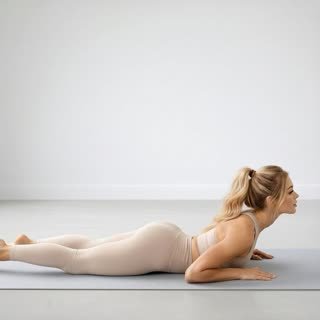
CobraDos
There's also the dumbbell face pull: torso bent forward at 45°, you pull the weights toward your forehead with high elbows. This variation is close to a rear delt fly and puts real demand on the lower back. If your back is sensitive, do it lying face down on an incline bench instead.
Face pull vs rear delt fly
The rear delt fly, also called a reverse fly, isolates the rear delt with straight arms. The face pull bends the elbows and adds external rotation, so it recruits more traps and rotator muscles. Compared to an upright row, it's far friendlier to the shoulder. The best approach? Fit both into the same week.
Face pull FAQ
How often per week? Two or three sessions is plenty, placed at the end of your workout.
Do I need specific equipment? No. A cable machine, a band or a pair of dumbbells all do the job.
Is it beginner-friendly? Yes, as long as you stay light and keep the elbows in the right position.
The short version? A pull at face height that trains the rear delts, the traps and the rotator cuff.
This gives you a solid starting point. To go further, working with a qualified coach is still the safest way to progress without getting hurt. On Koatcher, you'll find professionals near you, in the gym or at home.