The word insulin comes up constantly in conversations about nutrition, fat loss and performance. Plenty of half-truths circulate with it. This article sets things straight: what this hormone is, what it does, why insulin sensitivity concerns every athlete, and how to train when you live with diabetes. Questions of dosage and treatment belong to your doctor and to no one else.
What exactly is insulin?
Insulin is a hormone produced by the human body around the clock, day and night. Its job fits in one sentence: it moves glucose out of the blood and into the cells. The sugar you swallow during a meal is useless as long as it stays in circulation. It has to reach muscle, liver or fat tissue. Insulin is the key that opens that door.
Looking for an insulin definition in one line? Here it is: a hormone that regulates blood sugar, meaning the amount of glucose circulating in the blood. Without it, blood sugar climbs and never comes back down. For an athlete, this mechanism is central: glucose remains the first energy source the body taps during hard efforts.
The organ that makes it: the pancreas
The pancreas is what produces insulin. More precisely, small clusters of cells scattered through the organ, the islets of Langerhans. They house the beta cells, the only ones able to secrete the hormone. They measure blood sugar continuously and adjust production second by second. A healthy pancreas does precision work you never think about once all day.
What this hormone actually does in the body
Plenty of people wonder what insulin does beyond sugar. Its action is broader than you would think. It stores glucose in the form of glycogen in muscle and liver. It also helps amino acids get into muscle fibers, which supports recovery after a session. And it slows the release of stored fat. This is a building and storage hormone, not an enemy: without it, no muscle gain is possible.
The discovery of insulin, a Canadian story
Before the 1920s, childhood diabetes was a death sentence. The discovery of insulin changed everything. In 1921, at the University of Toronto, in Canada, surgeon Frederick Banting and student Charles Best managed to extract the hormone from a dog's pancreas. Their work was supervised by John Macleod, then refined by biochemist James Collip.
In January 1922, a fourteen-year-old received the first injection ever given to a human being. Their blood sugar dropped, and they survived. Two years later, the Nobel Prize rewarded the breakthrough. The discoverers sold their patent for a symbolic sum so the drug would stay affordable. A century on, millions of patients are alive thanks to this long-term treatment.
Research never stopped. We went from animal extract to human insulin made by genetic engineering, then to modern analogs. The clinical data gathered over a hundred years makes it one of the best documented drugs in the world, and new formulations are still arriving.
Insulin resistance: the subject that concerns every athlete
Insulin resistance describes a simple situation. The pancreas still makes the hormone, but the cells respond to it poorly. To get the same effect, it has to make more. Blood sugar still holds, at the cost of constant effort. This sets in slowly, often over several years, and stays silent for a long time.
The signals are nothing dramatic. A sugar craving mid-afternoon, an energy crash after lunch, a waistline that thickens even though your eating hasn't changed, a cut that stops progressing. These clues aren't enough for a diagnosis: only a blood test, read by a doctor, gives a reliable answer. If in doubt, go and get checked. That is the starting point of any serious care plan.
Insulin resistance and weight loss
The question comes up at almost every first coaching session. Does insulin resistance block weight loss? It makes it harder, it doesn't rule it out. When insulin stays high all day, the body is less willing to draw on its reserves. A calorie deficit is still the number one lever.
What changes is how you get there. More protein and fiber, carbs placed around training, and above all more muscle. Muscle is the body's biggest consumer of glucose: the more of it you have, the more easily that door opens. A personal trainer who structures these habits will save you months.
Exercise, the most effective tool for getting sensitivity back
A session affects blood sugar in two ways. During the effort, muscle takes up glucose without needing insulin: the contraction alone brings GLUT4 transporters up to the cell surface. Afterwards, sensitivity stays improved for twelve to forty-eight hours. So every workout buys you a metabolic window.
- Strength training increases the amount of tissue able to store glycogen. That's the longest-lasting effect.
 Moderate cardio empties the reserves and improves fat utilization during effort.
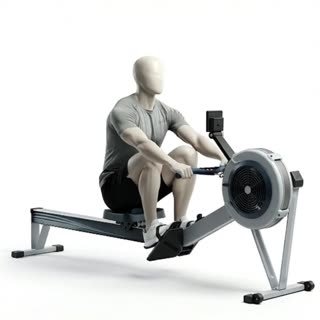 Short intervals act hard and fast on sensitivity, even in twenty-minute sessions.
- A walk after meals is still the best-value daily habit: ten minutes already changes the curve.
Your way of life weighs as much as the session itself. Short nights, chronic stress, long hours sitting: these three habits are directly linked to lower insulin sensitivity. It is important to treat them as training variables in their own right, not as details.
Using insulin to lose weight: a very bad idea
Some people go looking for insulin to lose weight, imagining that a hormone which handles sugar would melt fat. It is exactly the opposite. Insulin stores. Injected into someone without diabetes, it sends blood sugar crashing and causes severe hypoglycemia, with a risk of seizures, coma and death. This misuse circulates in parts of the bodybuilding world, and it has already killed.
No serious coach will suggest it. What works is less spectacular and far more solid: a calorie deficit you can hold, enough protein, regular strength training, sleep. Any use of a drug outside a prescription is a medical decision, never a training tip.
Training with diabetes: what the treatment changes
Exercise is strongly recommended for people with diabetes. The session and the treatment still have to be matched up. In type 1 diabetes, an autoimmune disease, the pancreas no longer produces any insulin at all: an external supply is vital. In type 2 diabetes, resistance dominates, and many patients are treated with tablets before insulin is considered. These two situations don't call for the same vigilance.
Long-acting and rapid-acting insulin: understanding the timing
The products available are classified by their action profile: “rapid”, “intermediate” or “long”. How insulins act can't be guessed from the brand name. A rapid-acting insulin, such as aspart or lispro, kicks in within minutes and covers a meal or corrects blood sugar that has climbed too high. A long-acting insulin, such as glargine, provides a steady background supply over roughly twenty-four hours: that is extended action.
One brand comes up often in searches: Abasaglar. It is an insulin glargine, so a long-acting basal, usually injected once a day, not a rapid-acting one. The basal-bolus regimen combines both families: a long-acting one for the day, a rapid-acting one at each meal. The most widely used insulin today is in fact an analog, more stable than the original human insulin.
Pens, syringes and pumps: the everyday kit
Three families of devices coexist. Insulin pens have largely replaced the classic insulin syringe, which is harder to dose. An insulin pen clicks to the right dose and slips into a gym bag without trouble. Today's insulin needles are so fine that the injection is almost painless. Insulin syringes still have their uses, especially as a backup.
Then comes the pump, which delivers the hormone continuously under the skin. Recent models change the game for anyone who trains. A tubeless insulin pump sticks to the skin, with no tubing to get in the way during a session. Some pumps run in a closed loop: a glucose sensor talks to the device and adjusts the flow on its own. Prices vary by model; your care team will point you in the right direction.
Keeping hypoglycemia at bay during the session
This is the number one risk for patients with diabetes who train. Effort increases glucose uptake; combined with insulin that is still active, it can push blood sugar far too low. A few simple rules apply.
- Check blood sugar before the session, during long efforts, then afterwards.
 Always keep fast-acting sugar within reach, in the bag and on the field.
- Tell your coach and describe the signs: sweating, shaking, blurred vision, confusion.
- Watch out for the delayed effect, because a hypo can hit several hours later, especially at night.
You never work out the dose on your own
How to work out an insulin dose is one of the most common questions on the subject. The honest answer fits in one sentence: it isn't something you improvise. A dose is built with a diabetes specialist, from personal data such as weight, recorded readings, meal composition and planned activity. Healthcare professionals often start from a ballpark figure expressed as an insulin dose per kg of body weight, then adjust week after week.
The long-acting dose and the rapid-acting dose follow two different logics: one covers the background of the day, the other one specific meal. Same for timing. When you inject long-acting insulin in the evening depends on the product, on morning readings and on each person's rhythm; it is set with the doctor, then kept consistent. A coach has neither the competence nor the standing to touch those settings. Their role lies elsewhere: observing, adjusting the load and talking with the medical team.
The questions athletes ask us most
In one sentence, what is this hormone for?
It moves glucose from the blood into the cells, which lowers blood sugar and fuels the muscle. It also stores glycogen and builds tissue.
Which organ makes it?
The pancreas, through the beta cells of the islets of Langerhans. No other organ can do it.
Can you do intense sport with type 1 diabetes?
Yes. Elite athletes run marathons with this diagnosis. It takes finer preparation, frequent measurements and dose adjustments approved by a doctor.
Can a coach work with someone who has diabetes?
Yes, as long as they stay in their lane. They build the progression, watch for warning signs and adjust the intensity. They never change a treatment. On Koatcher, spell out your situation from the very first message.
What is the difference between human insulin and an analog?
Human insulin reproduces the natural molecule. Analogs are slightly modified versions, designed to act faster or longer, with a steadier curve.
Does exercise replace treatment?
No. It improves insulin sensitivity and is a full part of managing the condition, but it replaces no prescribed medication. Any change is decided with the doctor.
Understanding insulin means understanding how your body uses the energy you give it. This knowledge doesn't replace medical follow-up, it completes it. To turn these principles into real sessions, find a coach near you and talk to them about your goals as much as your health.