What exactly is a leg curl?
The leg curl is an isolation exercise: you pull your heel toward your glutes against resistance. It also goes by hamstring curl or knee flexion. Most people do it on a guided machine at the gym, but an effective leg curl can just as easily be built at home. The principle stays simple: one joint does the work, the knee, while the rest of the body acts as an anchor.
Leg curl: which muscles does it work?
Almost every beginner asks this. The leg curl targets the hamstrings — biceps femoris, semitendinosus, semimembranosus — running down the back of the thigh. The gastrocnemius helps with knee flexion, and the glutes stabilize the pelvis. These muscles decelerate your stride, protect the knee and balance out quad strength. A large gap between the front and the back of the legs is one of the best-documented injury risk factors in sport.
Seated or lying: two positions, two sensations
Both versions recruit the same muscle chain, but the hip sits in a different position, and that changes plenty.
The seated leg curl
Hip flexed, hamstrings pre-stretched: tension peaks at the bottom of the movement. Runners and sprinters tend to favor this version, because it loads the biceps femoris at long muscle lengths. The backrest supports your spine, which makes it comfortable and easy to load progressively.
The lying leg curl, also called prone
Face down with the hip extended, the emphasis shifts to the end of the movement, as the heel closes in on the glutes. Your pelvis has to stay glued to the bench: the moment it lifts off, the weight is too heavy. Plenty of athletes alternate between the two inside the same training block rather than picking a side, because the gains carry over better that way.
Leg curls without a machine: bands, towels and Nordics
No gym nearby? Several options deliver real results with little or no equipment:
 Banded leg curl: anchor a band to a fixed point, loop it around your ankle, then curl slowly and under control while lying face down.
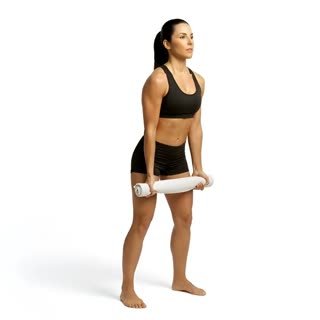 Floor leg curl with a towel: lie on your back on smooth flooring, heels on the towel, extend your legs then pull your feet back in while keeping your hips high.
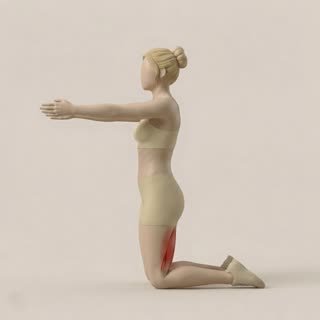 Nordic leg curl: kneel with your ankles pinned down and fight the descent for as long as you can. The hardest one, and the one that pays off most.
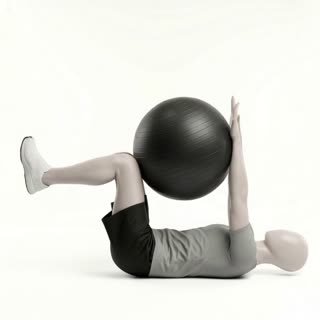 Stability ball curl: heels on a swiss ball, hips off the floor, legs extending and folding back in.
So a lying leg curl without a machine is perfectly doable in your living room.
Leg curl or leg extension: do you really have to choose?

Leg extensionJambes · machines
No, and that is good news. The leg extension trains the quads, the leg curl trains their antagonist. Running both in the same session balances the knee and limits compensation. As for the hip thrust, it works the hamstrings through hip extension, not knee flexion: it complements the leg curl instead of replacing it.
Building a progressive leg curl workout
Three to four sets of eight to twelve reps, twice a week, is enough for the vast majority of people. Lower the weight over three seconds, lift smoothly, and never lock the joint out at the end of the range. Add one rep or one kilo each week rather than going all out on a single day. A certified personal trainer will tailor that volume to your sport and your injury history.
Leg curl FAQ
Seated or lying: which version is better?
Neither wins outright. Seated stretches the hamstrings more, face down puts the emphasis on the final contraction. Alternate them across training blocks, or simply use whichever one your gym has.
Which muscles actually do the work?
The three hamstrings first and foremost, the calves in support, the glutes as pelvic stabilizers.
For the knee, leg curl or leg extension?
Both, in comparable amounts. Strengthening only the front of the thigh creates exactly the imbalance you are trying to avoid.
How long before you see results?
Expect six to eight weeks of consistent training to feel a real strength gain and better control when you run.