The one-arm dumbbell row: a back-training staple
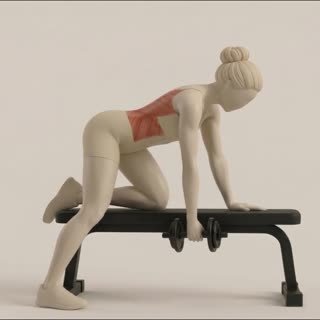
Rowing unilatéralDos · halteres
The one-arm dumbbell row is a pulling exercise done one side at a time. It’s also called the single-arm row. The idea stays simple: you pull a weight up to your hip, one hand after the other. This dumbbell row exposes the imbalances between your two sides. A weak side can’t hide behind the strong one anymore.
Which muscles does it work?
The back muscles, front and centre
The back muscles do most of the work. The lats pull the arm down and back. The teres major goes along with them through the whole range. The rhomboids and mid traps then draw the shoulder blades together. The result: a thicker back, not just a wider one.
Arms, shoulder and rear delt
The biceps and brachialis bend the elbow on every pull. At the back of the shoulder, the rear deltoid works hard. The forearm muscles hold the grip. And the spinal erectors keep the spine stable from start to finish. So plenty of muscle groups are working at the same time.
How do you perform the one-arm row?
The starting position on the bench
Put one knee and one hand on the bench. Let your torso come down until it’s parallel to the floor. The other foot stays on the ground, leg slightly bent. That support on the bench steadies the body and takes the load off your spine. Keep your back in a neutral position, neither rounded nor arched. At the bottom, the dumbbell hangs just above the floor.
The pull: elbow back
Take the dumbbell with a neutral grip, palm facing your body. Pull by driving the elbow along your torso. Aim to bring the weight to your hip, not to your shoulder. Driving the elbow back — that’s the cue that puts the work on the lats. If it flares out to the side, the shoulder’s rear delt takes over. At the top of the movement, hold for a second. Lower slowly, arm almost straight.
Common mistakes
Three faults come up again and again. The torso twisting to help the hand. The back rounding under the weight. And the dumbbell yanked up with a jerk of the hips. In all three cases, the back does less work. Film yourself from the side to check your setup. A strength coach fixes these details in a single session.
Variations of the single-arm row
The row in its classic form is done on a flat bench. Other versions exist depending on the gear you have.
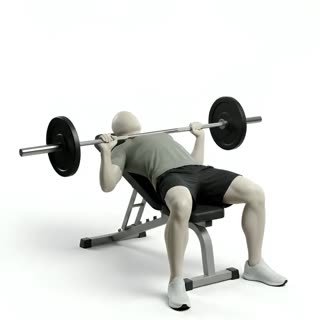 On an incline bench: chest against the pad, both arms alternating with no load on the lower back.
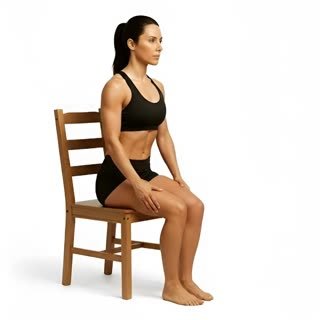 On a chair: same idea as with a bench, ideal at home.
 Standing, no bench: hinge your torso forward, free hand resting on your thigh.
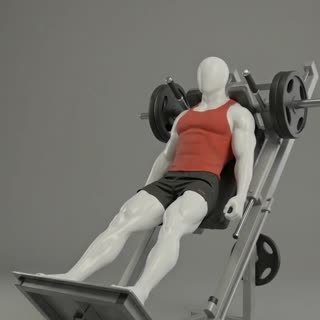 On a machine: the guided pull reassures beginners, the dumbbell asks more of your core.
Sets and reps
Go for 3 to 4 sets of 8 to 12 reps per side. Always start with the weaker arm. Use straps if your grip gives out before your back does.
Common questions
Should you go heavy on this exercise?
Yes, but never at the expense of technique. A dumbbell that’s too heavy rotates the hips and cuts the range short.
Can you do it without a bench?
Of course. A chair, a rack or your own thigh is enough to hold the position. Want an outside eye? Find your personal trainer on Koatcher.