Lifting weights is still the most reliable way to change your body shape, get stronger and protect your health for the long run. The hard part is knowing where to start. This women's strength training program runs over four weeks, in the gym or at home. We'll go through every workout, the number of sets, the reps and the pace to hold.
What lifting really does for a woman's body
Muscle isn't dead tissue. It burns energy around the clock, even while you sleep. The more muscle mass you carry, the higher your baseline calorie burn. That's the main lever behind a lasting transformation, well ahead of one diet after another.
The myth of getting too bulky
The fear of ending up too muscular still stops plenty of beginners. It doesn't hold up. A woman's testosterone level is ten to twenty times lower than a man's. Building serious size takes years of dedicated work and a very high food intake. In a few months you're not going to look like a bodybuilder. What you'll get is firmer shape and a more toned body overall.
Strength, posture and bone health
The benefits go well beyond the mirror. Training with weights increases bone density, which counts enormously past 45. It also takes pressure off your back and corrects the postural imbalances that come with a desk job. Plenty of coaches put it simply: strength is the best health insurance a lifter can have. A solid body takes time to build, but every session counts.
Choosing a training program that matches your goal
You don't copy a strength training program at random. It follows from what you're aiming for. There are three main directions, and they aren't run the same way.
Fat loss, muscle gain or toning
When losing weight is the priority, the training stays the same: heavy, in short sets. Your plate is what creates the deficit. Muscle is what protects your metabolism while you cut. For a moderate muscle gain phase, you raise the volume and add a few hundred calories a day. Toning sits between the two: moderate loads, controlled tempo, short rest between exercises.
How many sets, how many reps, how much weight
Remember one simple rule. To build muscle, aim for 3 to 4 sets of 8 to 12 reps, with a load that makes the last two reps hard. A weight that's too light triggers no adaptation. On compound movements like the squat or the deadlift, drop to 5 or 6 reps to develop raw strength. Rest 90 seconds, two minutes on the heavy work.
Women's gym strength training: the 4-week plan
Full body suits a beginner or intermediate lifter perfectly. Every session hits all the muscle groups, which speeds up technical learning. Three trips to the gym a week are enough, with a rest day in between.
Weeks 1 and 2: locking in technique
The first month is about making the movements automatic. Don't chase performance yet. Here's session A, to run on Monday and Friday:
 Goblet squat: 3 sets of 12 reps
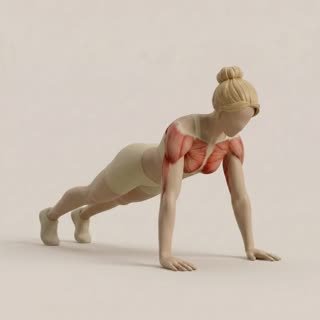 Dumbbell bench press: 3 x 10
 Lat pulldown: 3 x 12
 Walking lunges: 3 x 10 per leg
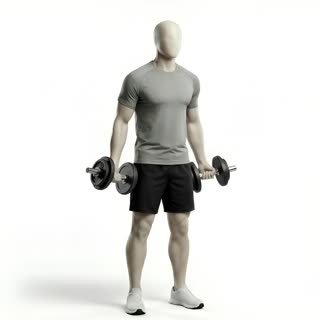 One-arm dumbbell row: 3 x 12
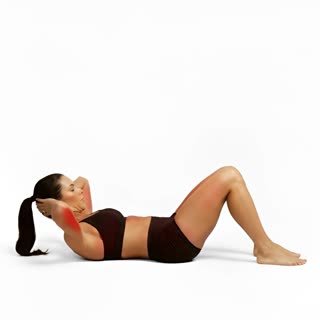 Front plank: 3 x 30 seconds
Session B goes on Wednesday. It changes the angles without changing the logic:
 Romanian deadlift: 3 x 10
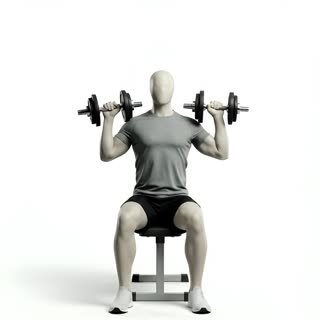 Seated overhead press: 3 x 10
 Leg press: 3 x 15
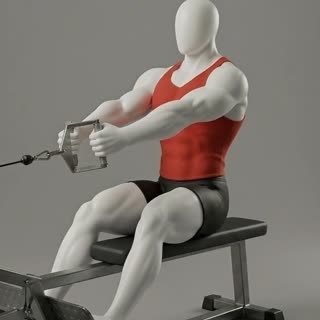 Seated cable row: 3 x 12
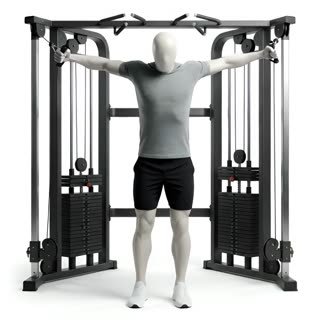 Lateral raises: 3 x 15
 Hanging leg raises: 3 x 12
Weeks 3 and 4: adding weight
From week three, add a set to the first two exercises and go up by 2 kilos as soon as you complete all your reps cleanly. That progressive overload is the real engine behind results. Write down your loads every session: without a logbook, progress becomes invisible. A lifter training without reference points almost always stalls after six weeks.
A session built for the lower body
Plenty of women want to push legs and glutes harder. In that case, swap session B every other time for this lower body block, a popular choice in any women's gym strength program:
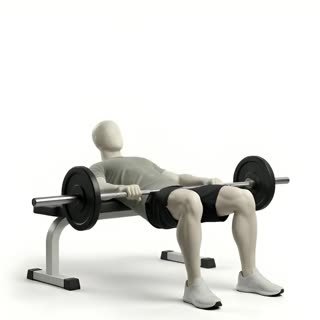 Barbell hip thrust: 4 x 10
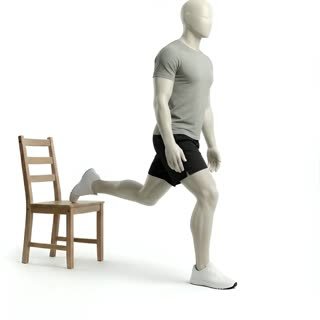 Bulgarian split squat: 3 x 10 per leg
 Lying leg curl: 3 x 12
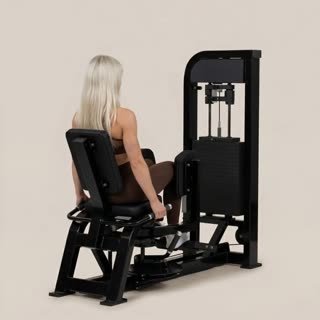 Machine hip abduction: 3 x 20
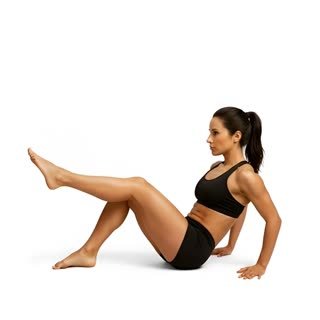 Standing calf raises: 4 x 15
Home strength training for women, with or without equipment
No membership, no commute, no excuses. At home, bodyweight and two resistance bands cover most of what you need. The main constraint is intensity: with no machines, you have to play with rep counts, movement speed and range of motion.
Upper body without machines
The upper body trains just fine with a chair, a mat and two full water bottles. Plan two sessions a week:
 Incline push-ups on a table: 4 x 8
 Bent-over row with bottles or a band: 4 x 12
 Dips between two chairs: 3 x 10
- Band lateral raises: 3 x 15
 Side plank: 3 x 20 seconds each side
The home legs and glutes circuit
Run the following exercises back to back with no pause, then rest a minute and a half. Three rounds in total, four from week 3:
- Bodyweight squats: 20 reps
- Alternating reverse lunges: 16 reps
 Floor hip thrust: 20 reps
- Single-leg glute bridge: 12 per side
- Wall sit: 45 seconds
This format burns a lot of energy and fits a fat loss approach well. It's still less effective than dumbbells for putting on muscle over time.
Three or four sessions a week: what pace to hold
Three sessions a week is the best compromise for most women with a full schedule. The body gets 48 hours to recover between sessions, and the plan stays realistic. Moving up to four days makes sense after two or three months of consistent work. At that point you switch to an upper body / lower body split, twice each. Beyond that, the risk isn't training too much, it's recovering badly.
One important point is worth repeating here. Consistency always beats the occasional hard session. Three sessions held for six months give far more than five sessions abandoned after a month. So pick a frequency that fits your actual life, not the ideal schedule you dream of following.
Cardio, nutrition and recovery: half the result
Time well spent in the gym doesn't make up for a shaky lifestyle. Put your sprints or your bike work at the end of the session, never before the weights. Cardio drains the nervous system and wrecks the quality of your heavy sets. Two 20-minute sessions at moderate intensity are enough to support your weekly energy output.
On the nutrition side, protein is the absolute priority. Aim for 1.6 grams per kilo of body weight, spread across the day. A balanced diet isn't only about macros: fibre, sleep and hydration weigh just as heavily. Never skip rest, because it's overnight that muscle repairs and grows.
Tracking your plan: PDF, logbook or coaching
A lot of women look for a printable document to keep in their bag. It's a good habit: a written plan, free or not, stops you improvising between two machines. Just copy the sessions above into a table, with one column per week for your loads.
A ready-made file is still generic, though. It knows nothing about your history, your mobility or your schedule. One-to-one coaching corrects your technique from the very first reps and adapts the progression week by week. That's what the strength training coaches on the platform offer.
Frequently asked questions
How long before you see the first results?
How you feel changes from the second week: better posture, more energy. Visible changes in your body shape show up more around eight to twelve weeks, as long as your eating follows.
Does this program work after 50 or 60?
Yes, and it actually becomes essential. Muscle loss speeds up with age. Just start with lighter loads, warm up longer and favour guided machines for the first month.
Do you need a specific weight goal to start?
No. The scale often lies, since muscle weighs more than fat for the same volume. Take your measurements and photos every four weeks: those markers are far more reliable.
What if progress stalls?
Change one variable at a time. Switch the order of the exercises, add a set or cut the rest. If the plateau lasts, a lighter week often resets things. You can also compare your approach with the men's strength training program, where the overload principles are identical.